August 18,2026
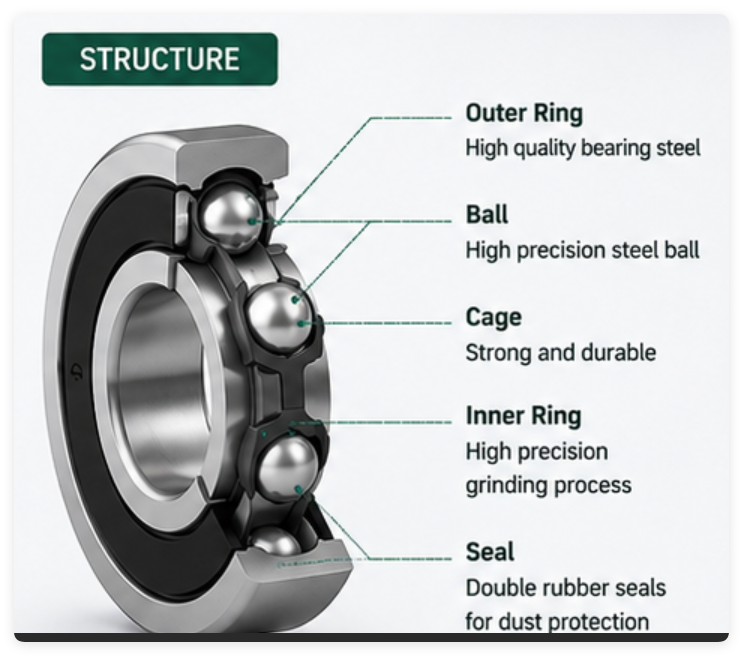
Deep groove ball bearings are among the most widely used rolling bearings in industrial machinery. Their simple design—comprising an inner ring, an outer ring, a cage, and a set of balls—enables them to accommodate both radial and axial loads with relatively low friction. However, as industrial equipment becomes faster, smarter, and more specialized, standard catalog bearings often fail to meet the demanding requirements of high-speed operation, harsh environments, compact designs, or extended service life. This is where customized middle size deep groove ball bearings come into play.
Customized bearings, also known as non-standard bearings, are bearings that do not conform to the specifications or dimensions of national or international standards. Rather than selecting from a fixed catalog, engineers work directly withbearing manufacturers to develop solutions tailored to specific applications, operating environments, and performance expectations.
This article explores how customized mid-size deep groove ball bearings work—from their fundamental operating principles to the engineering parameters that can be modified to achieve optimal performance.


Before understanding customization, it is essential to grasp how a standard deep groove ball bearing works.
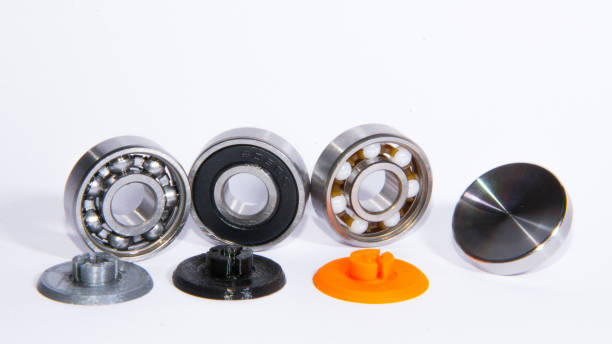
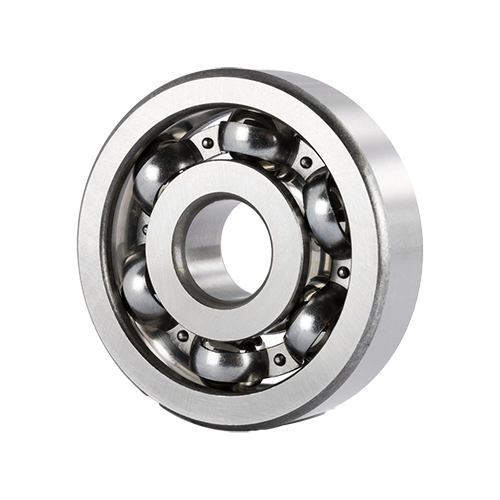
A deep groove ball bearing consists of four primary components:
Inner ring – mounted onto the rotating shaft
Outer ring – housed within the bearing housing
Balls (rolling elements) – positioned between the inner and outer rings
Cage (retainer) – maintains uniform spacing between the balls
When the bearing rotates, the balls roll along the raceway grooves—recessed circular arcs on both the inner and outer rings. The raceway grooves have a slightly larger radius than the balls, creating contact points that allow rolling motion with minimal sliding friction. This rolling contact is what makes deep groove ball bearings remarkably efficient: rolling friction is substantially lower than sliding friction, enabling high rotational speeds and energy efficiency.
In a deep groove ball bearing, loads are transmitted from the shaft through the inner ring, to the balls, and then to the outer ring and housing. The deep raceway grooves allow the bearing to accommodate:
Radial loads – perpendicular to the shaft axis
Axial loads – parallel to the shaft axis (in both directions)
Combined loads – a mixture of radial and axial forces
The depth of the raceway grooves is what distinguishes deep groove ball bearings from shallow groove variants—deeper grooves enable higher axial load capacity while maintaining radial load capability.
| Feature | Standard Bearing | Customized Bearing |
|---|---|---|
| Dimensions | Standardized | Application-specific |
| Internal geometry | Fixed | Optimized |
| Ball size/count | Standard | Adjustable |
| Material | Standard options | Application-specific |
| Lubrication | Standard | Customized |
| Sealing | Standard | Customized |
| Speed requirements | General | Application-specific |
| Load requirements | Catalog based | Optimized for application |
| Prototype | Usually unnecessary | Recommended |
| OEM integration | Limited | High |
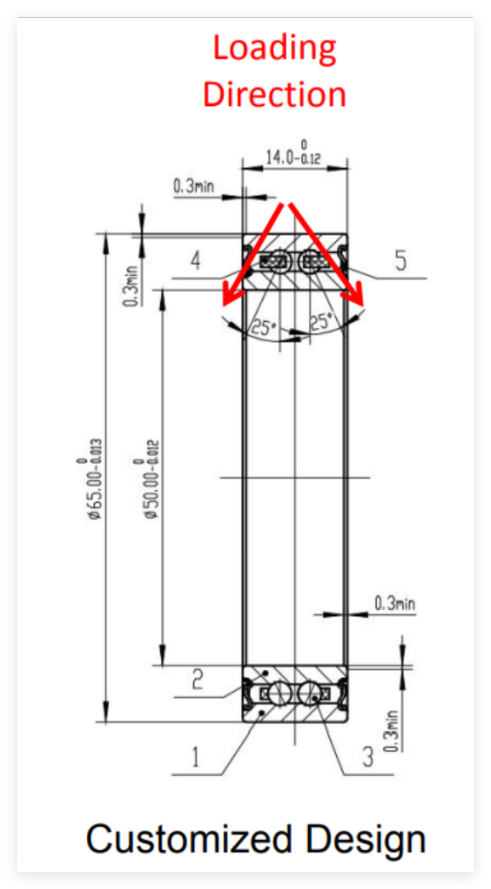
A customized mid-size deep groove ball bearing is engineered from the ground up to meet specific application requirements rather than being selected from a standard product catalog. This involves modifying one or more of the following parameters:
The internal geometry of a bearing directly influences its load capacity, speed capability, friction characteristics, and service life. Key geometric parameters that can be customized include:
Raceway Curvature and Osculation
The raceway groove is shaped as a recessed circular arc with a radius slightly larger than the ball diameter. The degree of conformity between the ball and the raceway—known as osculation—affects contact stress distribution. By optimizing the raceway curvature, engineers can:
Reduce contact stress for higher load capacity
Minimize friction for higher speed operation
Improve lubrication film formation
Shoulder Design and Ball Diameter Ratio
Patent research has shown that optimizing the relationship between inner ring shoulder diameters and ball diameter can enable a modified deep groove ball bearing to reliably sustain larger axial loads on one side while ensuring manufacturing simplicity and operational stability. The shoulder difference-to-ball diameter ratio can be adjusted within ranges such as 0.05–0.15 depending on the specific load requirements of the application.
Inner Ring Width vs. Outer Ring Width
In some applications, the inner ring width (IRW) and outer ring width (ORW) can be configured differently from standard specifications. For example, in certain differential applications requiring spacers between the bearing outer ring and associated structure, the outer ring width may need to be reduced. The relationship between IRW and ORW can be customized so that either the inner ring protrudes slightly relative to the outer ring (IRW − ORW ≥ 1 mm) or is recessed relative to it (ORW − IRW ≥ 1 mm).
Ball Complement and Size
The number and size of balls directly determine load capacity. Standard deep groove bearings are often limited in the number of balls that can be fitted—typically restricted to about 50% of the theoretical full complement. Customized designs can optimize ball count and diameter within the available envelope to maximize load capacity while maintaining proper cage function.
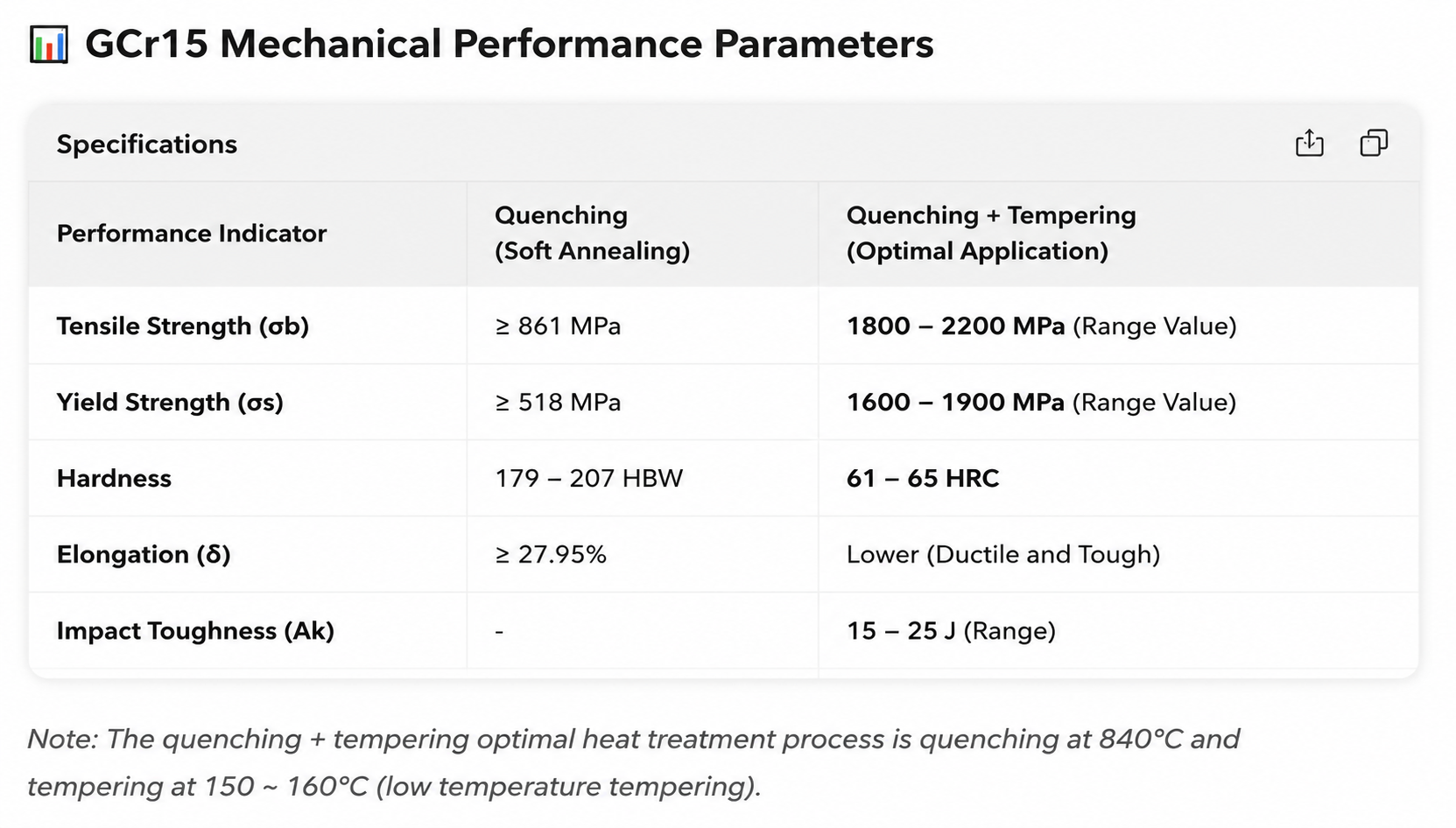
Material selection is another critical dimension of customization. While standard bearings typically use GCr15 bearing steel, customized solutions can employ:
Martensitic stainless steels – for corrosion resistance
Ceramic materials (silicon nitride, etc.) – for high-speed, high-temperature, or electrically insulating applications
Hybrid designs – ceramic balls with steel rings
Special alloys – for extreme temperature or corrosive environments
| Application | Recommended material | Main benefit |
|---|---|---|
| Standard industrial | Bearing steel | High fatigue resistance |
| Corrosive environment | Stainless steel | Corrosion resistance |
| High speed | Hybrid ceramic | Lower centrifugal forces |
| Electrical insulation | Ceramic balls | Electrical isolation |
| High temperature | Special steel / ceramic | Thermal stability |
MTWB, for example, offers bearings with ceramic ball options and advanced lubrication systems to ensure reliable performance at high rotational speeds. Full ceramic bearings and hybrid ceramic bearings are available for applications requiring electrical insulation or operation in corrosive environments.
The choice of lubricant—and how it is delivered—can be customized to suit specific operating conditions. Options include:
Standard grease lubrication
Oil lubrication with customized porting
Dry lubrication for vacuum or clean-room environments
Maintenance-free lubrication systems
MTWB has developed patented maintenance-free bearing solutions and offers customized lubrication recommendations based on actual working conditions.
Sealing configurations can be customized to protect bearings from contamination in harsh environments or to minimize friction in clean, high-speed applications. Seal geometry, material, and contact design all influence both protection level and rotational torque.
For mid-size deep groove ball bearings, dimensional customization may include:
Non-standard bore diameters
Non-standard outside diameters
Modified widths
Special flange configurations
Custom mounting interfaces
MTWB offers special dimension bearings ranging from miniatures (as small as 0.6 mm inner diameter) to medium and large sizes.
Standard bearing dimensions do not fit
Higher load is required within the same envelope
High-speed operation
Extreme temperature
Special lubrication requirements
Electrical insulation requirements
Corrosive environment
Unusual shaft or housing interface
Low noise requirements
OEM equipment requires a proprietary bearing design
If a standard catalog bearing meets the application requirements, customization may not be necessary. Custom bearing design becomes valuable when dimensional, performance, environmental, or lifecycle requirements cannot be satisfied by standard products.
Customizing a mid-size deep groove ball bearing is not a simple catalog selection—it is an engineering-driven process that requires close collaboration between the customer and the bearing manufacturer.
Every customization project starts with understanding the customer's actual working conditions rather than simply recommending an existing bearing model. Engineers evaluate:
Operating speeds and duty cycles
Load magnitudes and directions (radial, axial, or combined)
Temperature ranges (both ambient and operating)
Environmental conditions (humidity, chemicals, particulates)
Space constraints and mounting interfaces
Required service life and reliability targets
Lubrication availability and maintenance schedules
Based on the application analysis, engineers develop a customized bearing design. This involves:
Technical drawing review
Engineering feasibility analysis
Bearing design optimization
Material selection
Lubrication recommendations
The design process is iterative—engineers may propose multiple design variants and work with the customer to refine parameters until the optimal solution is achieved.
Once the design is finalized, a prototype is manufactured for validation. This allows customers to test the bearing in their actual equipment before committing to full production.
Prototypes undergo rigorous testing to verify performance against specifications. This may include:
Dimensional accuracy checks
Rotational accuracy measurements
Noise and vibration testing
Load capacity verification
Life testing under simulated operating conditions
After successful validation, production scales from small-batch to mass production, with continuous quality improvement throughout.
One of the most significant benefits of customization is achieving higher load capacity within the same dimensional envelope. By optimizing ring geometry, rolling element size, and internal clearances, engineers can increase dynamic load ratings by 30% or more compared to standard catalog bearings of the same outer dimensions. This is particularly valuable when equipment redesign is impractical or costly.
Customized bearings can be optimized for reduced friction, contributing to energy efficiency. This is achieved through:
Optimized internal geometry
Use of plastic cages
Ideal lubricant selection
Refined seal geometry
Improved surface finish on raceways
Smooth, carefully machined raceway surfaces have a considerable effect on reducing internal friction.
For equipment operating in challenging conditions—high temperatures, corrosive atmospheres, vacuum environments, or heavy contamination—customized bearings can be engineered with appropriate materials, seals, and lubrication to significantly extend service life.
In applications requiring exceptional rotational accuracy and low noise—such as medical devices, robotics, and precision instruments—customized bearings can be manufactured with tighter tolerances and optimized raceway finishing.
MTWB (Mighty Way Industrial Limited) is a Hong Kong-based bearing supplier specializing in precision miniature ball bearings, deep groove ball bearings, and custom OEM bearing solutions. With more than 18 years of manufacturing experience and support for over 100 OEM customers, MTWB has developed extensive expertise in non-standard bearing development.
MTWB designs customized bearings using:
Precision grinding – for superior surface finish and dimensional accuracy
Optimized raceway geometry – to maximize load capacity and minimize friction
High-grade bearing steel – for durability and fatigue resistance
Ceramic ball options – for high-speed and electrically insulating applications
Advanced lubrication systems – for reliable performance across operating conditions
MTWB offers a wide range of customized bearing solutions, including:
Special dimension bearings (deep groove ball bearings, cylindrical roller bearings, tapered roller bearings, angular contact ball bearings)
Super precision miniature bearings
Extra low noise small deep groove ball bearings
High-speed miniature bearings
High-temperature bearings (up to 350°C)
Ultra-low temperature bearings (down to -250°C)
Full ball or cylindrical roller bearings
Stainless steel bearings
Alloy bearings
Extra heavy-duty bearings
Maintenance-free bearings (patented)
Ceramic bearings
Agricultural bearings
MTWB Customized Bearing & Services model enables customers to move efficiently from technical consultation and drawing evaluation through prototype development, production, quality inspection, and worldwide delivery. The company operates multiple manufacturing facilities in China and maintains 51 active patents, 10 of which are product innovations.

Customized mid-size deep groove ball bearings represent a sophisticated engineering solution that goes far beyond simply selecting a bearing from a catalog. By modifying internal geometry, materials, lubrication systems, seals, and dimensional specifications, engineers can create bearings that are precisely optimized for specific applications—delivering higher load capacity, lower friction, extended service life, and improved reliability.
The working principle remains rooted in the fundamental rolling contact between balls and raceways, but every aspect of that contact—from the curvature of the raceway to the shoulder geometry to the surface finish—can be tailored to meet the unique demands of the application. As industries continue to push for higher speeds, greater precision, and more demanding operating conditions, the role of customized bearings will only grow in importance.
For OEM manufacturers and equipment designers facing challenges that standard bearings cannot address, partnering with an experienced customized bearing supplier like MTWB offers a pathway to solutions that are engineered for performance—not just selected from a catalog.
Q: What is a customized mid-size deep groove ball bearing?
A bearing tailored to meet specific requirements that standard catalog options cannot fulfill.
Q: What can be customized in a deep groove ball bearing?
Dimensions, internal clearance, raceway geometry, ball size/quantity, cage, material, lubrication, seals/shields, and mounting interfaces.
Q: Are customized deep groove ball bearings suitable for high-speed applications?
Yes. They can be optimized with proper internal geometry, materials, cage design, lubrication, and precision grade.
Q: How do I specify a customized deep groove ball bearing?
Provide shaft/housing dimensions, loads, speed, temperature, lubrication, environment, service life, space limits, and mounting needs.
Q: Are customized bearings more expensive than standard bearings?
Unit cost is typically higher due to engineering, tooling, and validation. However, improved performance and reliability can offset this at the system level.
Q: How long does it take to develop a customized bearing?
It varies by complexity, tooling, prototypes, testing, and volume. The process generally includes analysis, design, prototyping, validation, and production approval.
For media inquiries, please contact:
Mighty Way Industrial Limited (MTWB)
Email: sales@mtwbearing.com
Website: www.mtwb-customized-bearing.com
Address: Room 13-15, 19/F, Nan Fung Centre, 264-298 Castle Peak Road, Tsuen Wan, N.T., Hong Kong